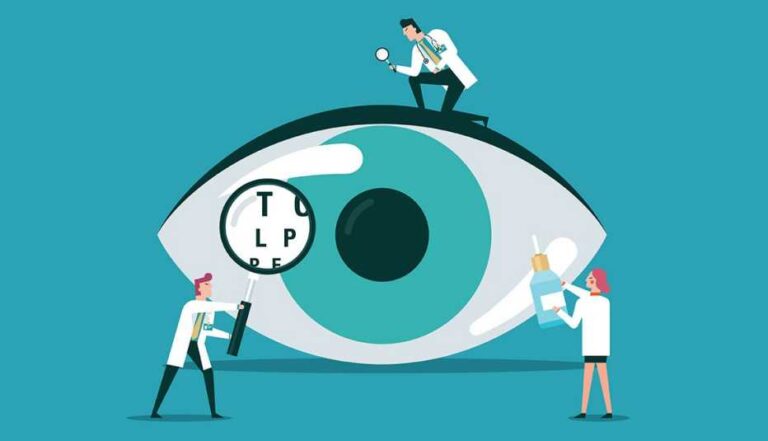
Cornea care- top 7 habits that can ruin this!
Cornea-the transparent, dome-shaped surface covering the front of eyes plays a critical role in focusing the vision. Despite its importance, many of us unknowingly practice habits that can harm our corneal health over time without understanding that cornea is not only avascular but has enriched sensory nerve endings. We will discuss top 7 habits practiced almost everyday which can potentially ruin our cornea care routine.
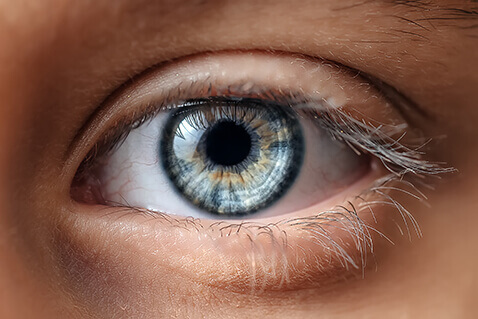
Whenever the cornea is disturbed; folowwing complaints are very common to be documented by eyecare practitioner:
- pain
- lacrimation
- photophobia
- redness
- decrease of vision (if corneal is involved centrally)
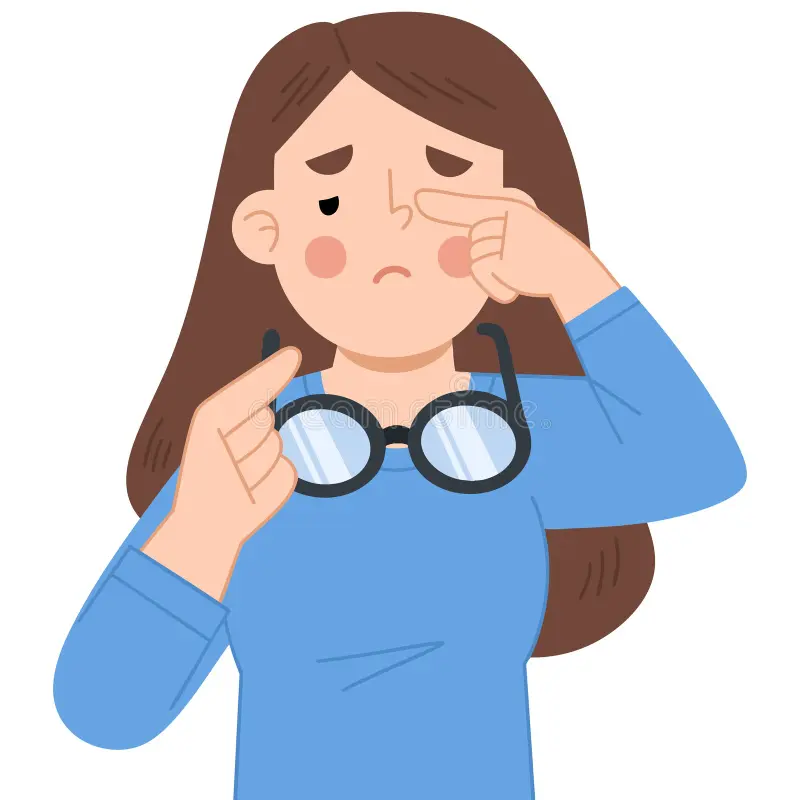
Rubbing eyes- opposite to cornea care
Eye rubbing may feel satisfying, especially when our eyes are itchy or tired, but it’s actually one of the worst habits for our corneal health. Frequent or forceful rubbing can cause micro-tears in the delicate corneal tissue, increase the risk of developing keratoconus (a progressive condition that causes the cornea to thin and bulge outward), and significantly raise the chances of eye infections-particularly if our hands are not clean. To maintain proper cornea care, we should avoid rubbing our eyes and instead use preservative-free lubricating eye drops to relieve irritation. It is important to wash our hands regularly and be mindful not to touch our eyes unnecessarily.
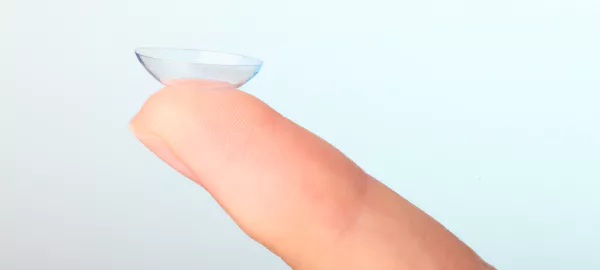
Sleeping with contact lenses
Sleeping with contact lenses on, unless they are specifically designed for overnight use, can deprive our cornea of the oxygen it needs to stay healthy. This habit increases the risk of corneal ulcers, bacterial infections, dryness, and even permanent scarring. To ensure proper cornea care, we should always remove our contact lenses before sleeping, follow cleaning instructions carefully, and replace them as recommended.
Ignoring screen-time protocols
Digital screens can cause us to blink less frequently, leading to dry eyes and placing strain on our cornea. Spending long hours in front of screens without breaks may result in chronic eye fatigue, tear film instability, blurry vision, and general discomfort. For effective cornea care, we should follow the 20-20-20 rule: every 20 minutes, look at something 20 feet away for at least 20 seconds. It’s also helpful to blink consciously and use artificial tears if our eyes feel dry. Blinking excessively while using the screen keeps spreading the tear film on the surface of cornea.

Ignoring expiry date of the eye drops
Using someone else’s eye drops or those that are past their expiration date can introduce harmful bacteria and irritants directly onto our cornea, increasing the risk of infections and inflammation and eventually leading to painful conditons like endophthalmitis. For proper cornea care, we should only use eye drops that are prescribed or recommended by a doctor, never share them with others, and always check the expiry date before use.

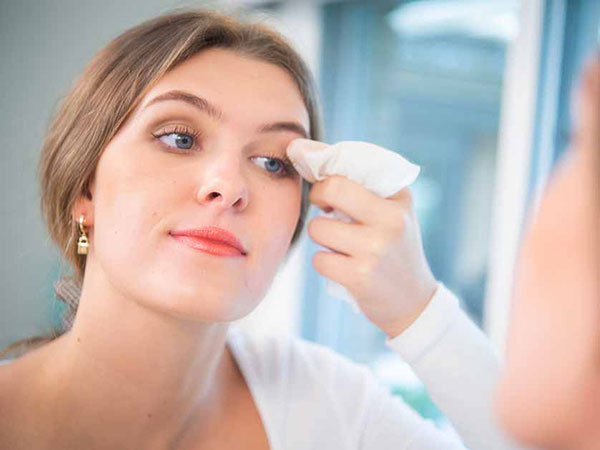
Ignoring make-up hygiene
Using expired eye makeup or failing to remove it before bed can clog the glands around our eyes, irritate the cornea, and lead to infections. To maintain good cornea care, we should replace mascara every three months, avoid sharing eye makeup, and ensure all makeup is thoroughly removed before going to sleep.
Prolonged exposure to UV rays
Prolonged exposure to UV rays without proper protection can also increase the risk of developing pterygium (a growth on the cornea) and cause other long-term damage. To practice effective cornea care, we should wear sunglasses that block 100% of UVA and UVB rays, even on cloudy days, and consider using wide-brimmed hats for additional protection when spending time outdoors.

Delaying routine eye check-ups
Even if our vision seems perfectly fine, minor corneal issues can develop silently and go unnoticed until they become more serious. Regular eye exams are essential for detecting early signs of corneal thinning, dry eye conditions, and contact lens-related complications. For optimal cornea care, we should schedule a comprehensive eye exam at least once a year. Those of us who wear contact lenses or have a family history of corneal diseases should follow the check-up frequency recommended by our eye care professional.
Remember that your eyes do so much for you and now it’s time to return the favor with proper cornea care because eyes matter most.

Founder of EyesMatterMost- an optometry student who loves talking about eyes. I tend to cover topics related to optometry, ophthalmology, eye health, eyecare, eye cosmetics and everything in between. This website is a medium to educate my readers everything related to eyes.