
Affect of poor sleep and ways to fix it
Have you ever woken up after a restless night with dry, irritated eyes or blurry vision? You’re not alone. Sleep plays a crucial role in maintaining overall health, and that includes your eye health. Yet, with busy schedules, excessive screen time, and stress, many people sacrifice sleep without realizing its impact on their vision or else having really poor sleep. Lets get into affect of poor sleep and ways to fix it:
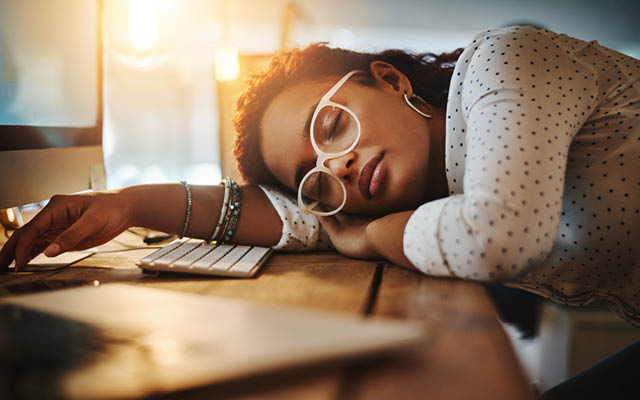
How poor sleep affects eyes
1. Dry eyes and irritation
Lack of sleep can lead to reduced tear production, making your eyes dry, itchy, and uncomfortable. Tears are essential for keeping your eyes lubricated and protected from dust and irritants. When sleep-deprived, your eyes struggle to maintain this natural defense, resulting in irritation and redness.
2. Eye strain and fatigue
Ever noticed your eyes feeling heavy after pulling an all-nighter? That’s eye fatigue in action. Poor sleep makes it harder for your eyes to focus, leading to increased strain. This can make activities like reading, driving, or working on a screen more challenging.
3. Blurry vision and difficulty focusing
When you’re sleep-deprived, your visual system doesn’t function at its best. You may experience temporary blurry vision or difficulty shifting focus between objects. This happens because your eye muscles don’t get enough rest, affecting their ability to adjust properly.
4. Increased risk of eye diseases
Chronic sleep deprivation is linked to more serious eye conditions, including glaucoma. Glaucoma is caused by increased pressure inside the eye, which can damage the optic nerve over time, potentially leading to vision loss. Studies suggest that poor sleep quality can contribute to this increased eye pressure.
5. Twitching eyes (Myokymia)
Ever had that annoying, uncontrollable eye twitch? It’s often a result of fatigue and stress caused by poor sleep. While not harmful, it can be distracting and frustrating.
The science behind sleep and eye health
During sleep, your body undergoes repair and recovery, and your eyes are no exception. Here’s why good sleep is essential for your vision:
- Melatonin and eye protection: This sleep hormone has antioxidant properties that protect against age-related eye conditions like macular degeneration.
- Blood flow to the eyes: Sleep deprivation reduces oxygen supply to the eyes, leading to discomfort and long-term damage.
Tips for better sleep and healthier eyes
Want to improve both your sleep and eye health? Here are some easy, practical tips:
1. Maintain a consistent sleep schedule
Your body thrives on routine. Try going to bed and waking up at the same time every day—even on weekends—to regulate your sleep cycle.
2. Reduce screen time before bed
Blue light from screens (phones, tablets, computers) tricks your brain into staying awake by suppressing melatonin production. Aim to cut off screen use at least an hour before bedtime.
3. Create an eye-friendly sleep environment
- Keep your bedroom dark and cool.
- Use blackout curtains to block out artificial light.
- Invest in a comfortable mattress and pillow to support better sleep posture.
4. Stay hydrated and eat eye-friendly foods
Drink plenty of water throughout the day to keep your eyes lubricated. Include foods rich in omega-3 fatty acids, vitamin A, and antioxidants (like salmon, carrots, and leafy greens) in your diet.
5. Blink more & use artificial tears
If you spend long hours on digital devices, remember to blink frequently to keep your eyes moisturized. Artificial tears can also help prevent dryness.
6. Limit caffeine and alcohol before bed
These can disrupt sleep quality, making it harder for your eyes and body to rest properly.
7. Manage stress & try relaxation techniques
High stress levels can lead to insomnia and eye strain. Practice meditation, deep breathing, or light stretching before bed to promote relaxation.
When to see an eye doctor
If you experience persistent eye discomfort, blurred vision, or excessive dryness despite good sleep habits, it’s best to consult an eye care professional. Some symptoms may indicate underlying conditions that need medical attention.
Your eyes work tirelessly throughout the day, and they need rest just like the rest of your body. Prioritizing good sleep isn’t just about feeling refreshed—it’s essential for maintaining clear vision and preventing long-term eye health issues.

Founder of EyesMatterMost- an optometry student who loves talking about eyes. I tend to cover topics related to optometry, ophthalmology, eye health, eyecare, eye cosmetics and everything in between. This website is a medium to educate my readers everything related to eyes.