Neuro-ophthalmology- noticing issues in the brain
Neuro-ophthalmology is a specialized field that bridges neurology and ophthalmology. It deals with complex interactions between the eyes, brain, and nerves, making it one of the most intriguing areas of medical science. Here are some amazing facts about neuro-ophthalmology that you should know:
1. The brain controls most of your vision
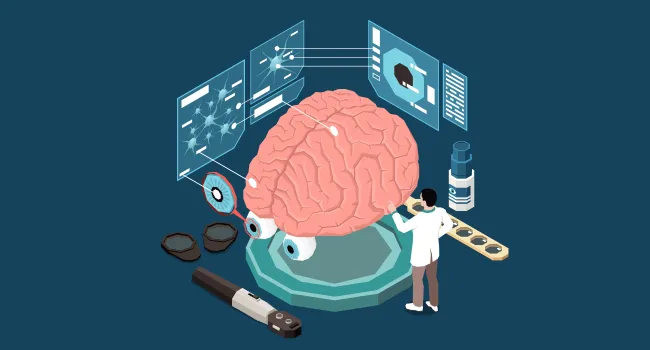
Did you know that nearly 50% of the brain is dedicated to vision? The occipital lobe processes visual information, while other brain regions contribute to eye movement, depth perception, and color recognition. This highlights the strong connection between brain health and vision.
2. Optic nerve damage is permanent
Unlike other nerves, the optic nerve does not regenerate once damaged. This means conditions like optic neuropathy, glaucoma, and optic neuritis can cause permanent vision loss if left untreated. Early detection is key to preserving eyesight.
3. Stroke can cause sudden vision loss
A stroke affecting the visual pathways can result in homonymous hemianopia, where vision is lost on the same side of both eyes. Many people don’t realize they have this issue until they undergo a detailed eye exam.
4. Double vision (diplopia) may signal a serious condition
Seeing double isn’t just an inconvenience—it could indicate a serious neurological disorder like myasthenia gravis, multiple sclerosis, or a brainstem stroke. If you experience sudden double vision, consult a specialist immediately.
Your pupil size and reaction can signal underlying neurological conditions like Horner’s syndrome, Adie’s tonic pupil, or even brain tumors. Neuro-ophthalmologists analyze pupil changes to diagnose potential issues early.
6. OCT scans help detect neurological disorders
Optical Coherence Tomography (OCT) is a non-invasive imaging technique used to assess the retinal nerve fiber layer and optic disc. It plays a critical role in diagnosing conditions like multiple sclerosis, idiopathic intracranial hypertension, and optic neuritis.
7. Visual hallucinations have a neurological cause
Conditions like Charles Bonnet Syndrome (CBS) cause vivid visual hallucinations in people with vision loss. Unlike psychiatric disorders, these hallucinations occur due to the brain compensating for lost vision.
8. Papilledema signals increased brain pressure
Swelling of the optic disc (papilledema) is often a warning sign of intracranial hypertension caused by tumors, hemorrhages, or other serious conditions. Early detection is crucial to preventing severe neurological complications.
9. Eye movements help diagnose brain disorders
Eye movement disorders such as nystagmus, internuclear ophthalmoplegia, and supranuclear palsy can indicate brainstem or cerebellar dysfunctions. Neuro-ophthalmologists use eye tracking to detect these abnormalities.
10. Migraines can affect vision
Ocular migraines and migraine auras can cause temporary vision loss, flashing lights, or zigzag patterns. While often harmless, frequent episodes may require medical attention to rule out underlying neurological conditions.

Founder of EyesMatterMost- an optometry student who loves talking about eyes. I tend to cover topics related to optometry, ophthalmology, eye health, eyecare, eye cosmetics and everything in between. This website is a medium to educate my readers everything related to eyes.